




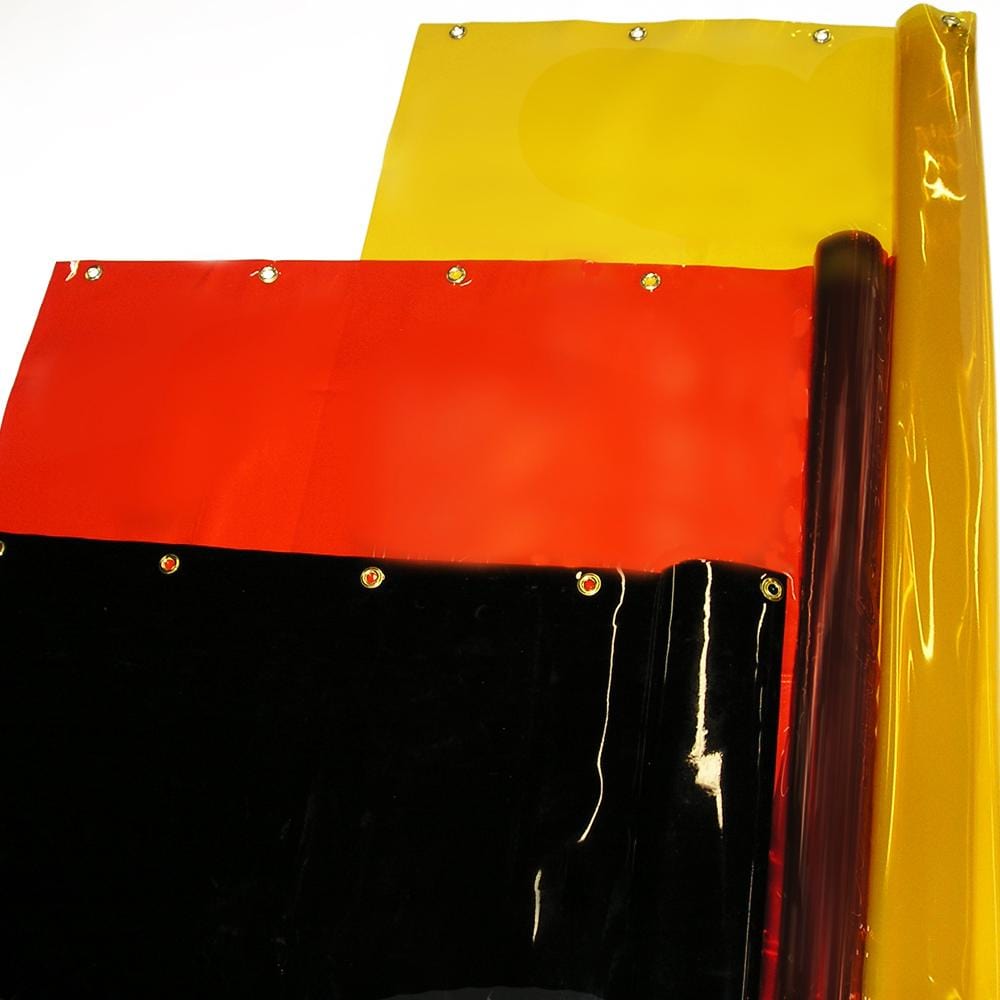




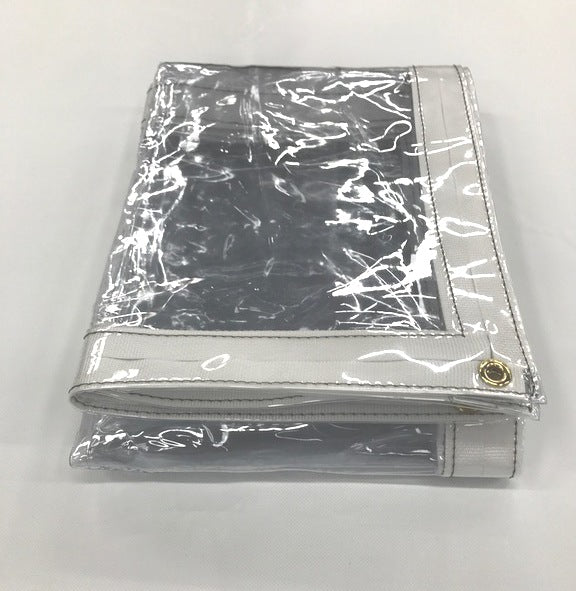


Welding operations commonly involve several risks, including intense heat, flying sparks, hazardous fumes, and high radiation. Inability to control these often results in safety hazards, unnecessary downtime, and inefficient workflows. Therefore, facility planners and shop designers must incorporate specific control measures while planning a welding shop layout.

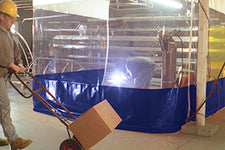
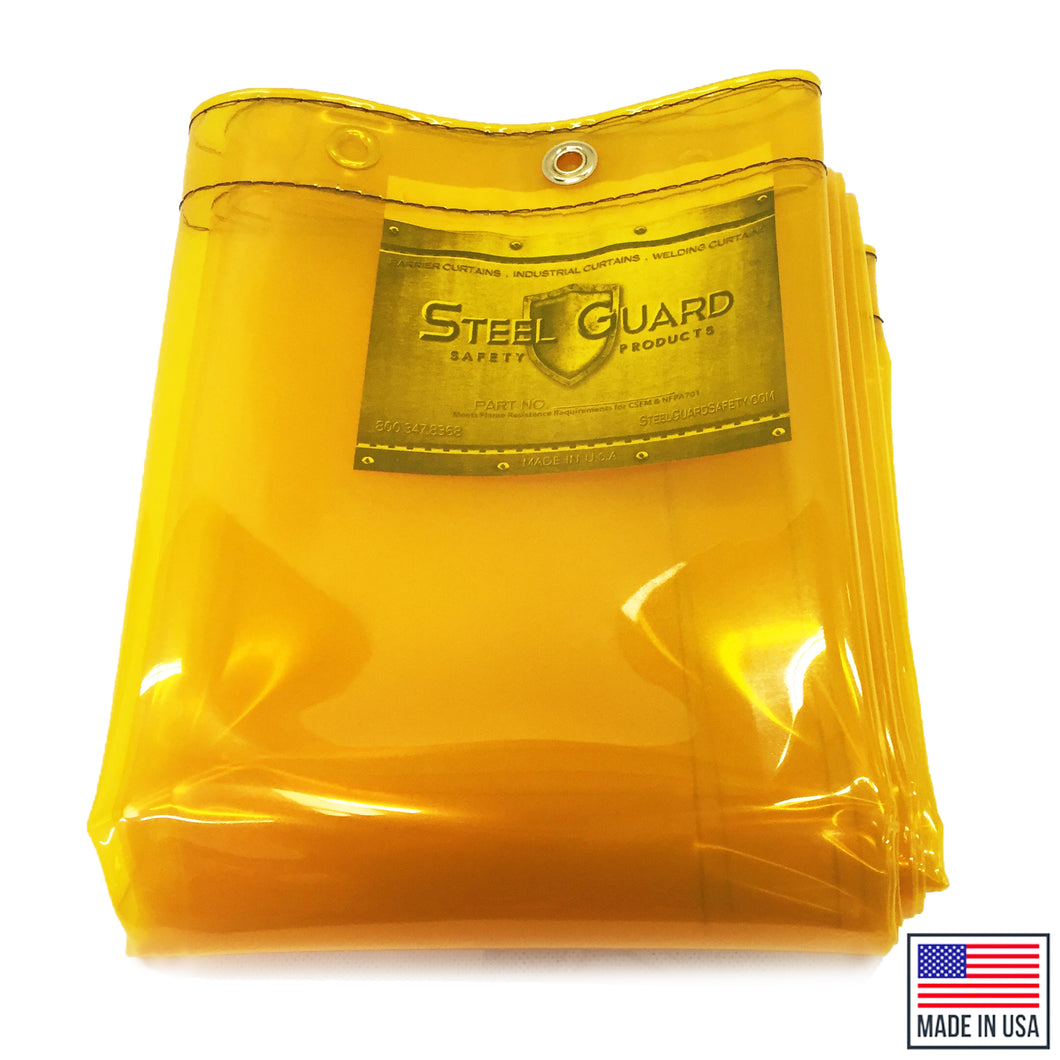
Welding curtains walls is one such measure to protect workers, supervisors, and equipment from the dangerous fumes of welding operations. By transforming a large workspace into multiple welding zones, welding curtains walls help isolate each welding area from the other. This eliminates the need to permanently restrict the entire workspace.
Since designing a welding shop layout is a high-involvement process, there must be no room for inaccurate measurements or unrealistic spacing. The challenge is to understand how to install welding curtain walls to avoid fumes, arc flash, and sparks from harming anyone.
The distance between each station, curtain placement, and safety spacing are the biggest concerns when planning a perfect welding shop layout. In this post, we’ll shed light on each of these so that you can design a welding shop layout that aligns well with specific welding requirements.
Let’s explore in detail.
Distance Between Welding Stations
Setting the correct distance between welding stations not only helps reduce welding quality errors but also ensures a smooth flow of welding operations. Welding tools, materials, and machinery should be accessible but it shouldn’t be so close that the entire space looks cramped and dangerous.
Setting a distance between welding stations depends on the protective barriers you’re using between them. OSHA suggests adequate levels of separation distance so workers can be protected from flying debris and flash radiation. This indicates a 35-foot distance between each station. However, only large welding shop owners can afford this. Installing fire-retardant retractable welding curtains changes the equation entirely as the required distance decreases.
If welding curtains are installed in a welding shop, each station can be separated by a distance of 10-15 feet. Since welding curtains walls absorb UV radiation, facility planners can add more workstations within the same welding shop floor. Besides, this distance is sufficient when it comes to protecting welders from arc flash.
Placement of Welding Curtains Walls
Retractable welding curtains serve a much larger purpose than just dividing space. If placed strategically, they can actively improve hazard control, welding shop flexibility, and operational efficiency. The goal is to place welding wall curtains in a way that they help avoid welding hazards rather than interfere with productivity.
Welding curtains walls make the most impact in the following areas:
Between welding zones and other fabrication zones
In many welding shops, it’s not just the welding activities that are being carried out in isolation. Instead, workers are often required to weld near other work zones such as grinding, sanding, cutting, assembly, fitting, material staging, or polishing areas. While such a mixed layout may seem cost-effective from the perspective of a single-floor space, it leads to serious safety issues if welding operations aren’t properly separated.
Each fabrication zone has its own risks:
· Welding zone produces sparks, spatter, fumes, and arc flash
· Grinding zone leads to abrasive sparks, flying particles, and dust
· Cutting zone generates sharp debris, metal fragments, heat, and smoke
· Assembly zones require clean working conditions and higher visibility
Placing welding wall curtains between each of these zones enables facility planners to create controlled boundaries. This allows workers to carry out multiple operations simultaneously in a shared workspace.
As an enclosure for welding cells
In many manufacturing and fabrication environments, welding is a high-frequency, continuous production process. In such settings, welders mostly work in three-sided welding cells. Specifically designed for performing repetitive welding projects, these welding cells are completely separated from other activities to enhance workflow.
Welding curtains walls cover the three sides of a welding cell, allowing welders to easily access the fourth side for material loading and unloading, material handling, equipment repositioning, and access to essential welding tools. However, it's important to cover the fourth side as well to ensure maximum safety from any hazards. Instead of covering it with a permanent wall, it makes sense to use retractable welding curtains to serve the same purpose. Placing retractable welding curtains on the fourth side of the welding cells ensures that nearby workers are protected from flying sparks and arc exposure. When they need to move the materials, the welding curtains can be retracted quickly. This level of flexibility helps speed up welding outcomes.
Along pedestrian walkways and storage areas
Pedestrian walkways are commonly overlooked areas when it comes to placing welding curtains walls. In various welding facilities, not everyone is actively involved in welding operations. Supervisors, material handlers, forklift operators, inspectors, and maintenance personnel move through the welding zones throughout a working day. But they are highly exposed to welding hazards if not protected at all.
Since passersby do not directly carry out a welding activity, most of them aren’t wearing any protection gear. If not shielded with the right barrier, they can be accidentally exposed to hot spatter and heat exposure – ultimately leading to injuries. Placing retractable welding curtains eliminates the injury risk by completely shielding pedestrian walkways from any hazards.
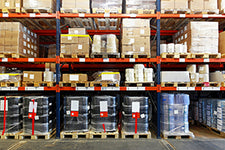
Nearby storage areas also need to be protected from welding hazards. While these storage areas often seem to be low-risk locations, in reality, the partially finished products, materials, and tools in storage areas are at a higher risk of getting heat damage, contamination, or welding sparks. Placing welding curtains walls between welding zones and storage areas helps prevent fire sparks from reaching electrical equipment, cardboard packaging, pallets, stored materials, and oily rags. This directly eliminates the chances of experiencing fire hazards in a welding shop.
In situations when production needs change
In welding shops, production demands constantly change according to project size, equipment usage, and workflow requirements. However, fixed partitions can restrict welding activities in the long run. By placing retractable welding curtains around welding zones, welding shop designers can plan a shop floor layout that adapts to evolving welding operations.
The track roller hardware of retractable welding curtains enables workers to quickly open or close the welding sections according to specific welding tasks. They can also reposition the sections to achieve a smooth workflow. If additional workstations are needed, you can temporarily create extended welding cells without making any major changes. This flexibility helps welding shops complete custom projects within tight deadlines.
Safety Spacing
An ideal welding shop layout provides ample safety spacing so that the welding zones aren’t packed tightly. Likewise, traffic routes should be distant from active arcs. This effectively supports ventilation, emergency response, access, and daily maintenance. That’s why safety spacing contributes to a safer welding environment.
Setting the minimum distance between a welding curtain and the welding arc depends on the flame-resistance strength of the welding curtains and the expected heat produced by welding operations. The safety spacing between the welding arc and MIG/TIG welding should range from three to five feet. But it must be from six to eight feet for high-intensity welding activities.
OSHA places special emphasis on exit route spacing standards. The spacing width of exit routes should be at least 28 inches (from all points). To provide larger access to forklifts, the safety spacing can be stretched from as much as 45 to 60 inches of width from each side. This makes retractable welding curtains a feasible option as these can be adjusted according to the spacing requirements.
The Takeaway
A smartly designed welding shop should provide safety as well as flexibility to achieve maximum productivity in welding areas. Keeping a specific distance, knowing how to install retractable welding curtains, and ensuring adequate safety spacing can turn a chaotic welding area into a streamlined welding floor.
Installing retractable welding curtains in the right locations is the surefire way to protect everyone from sparks, spatter, and arc flash. To achieve maximum efficiency, it’s essential to select welding curtains with robust, flame-resistant materials. If placed strategically between different welding zones, alongside pedestrian walkways, nearby storage areas, and in expanding layouts, these welding curtains can boost welding operations.