






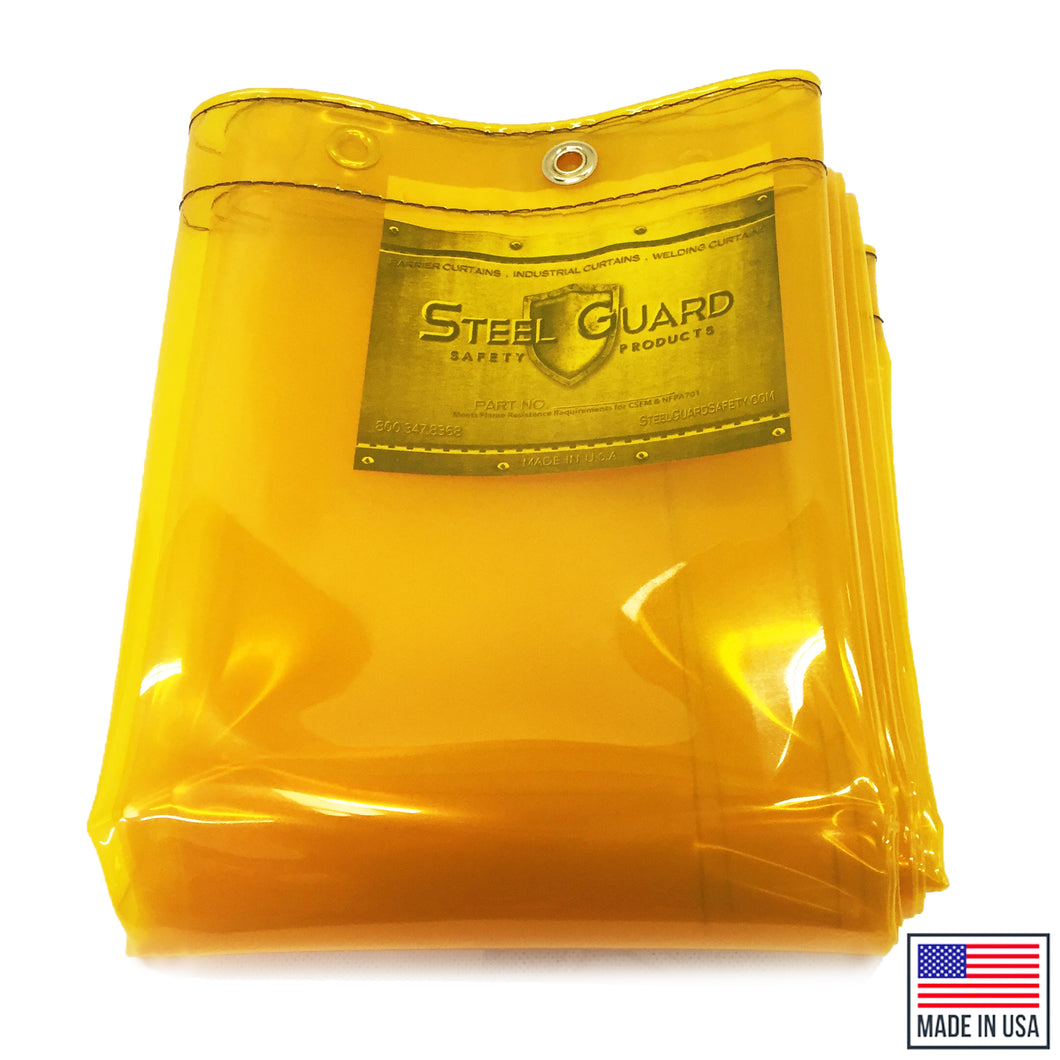

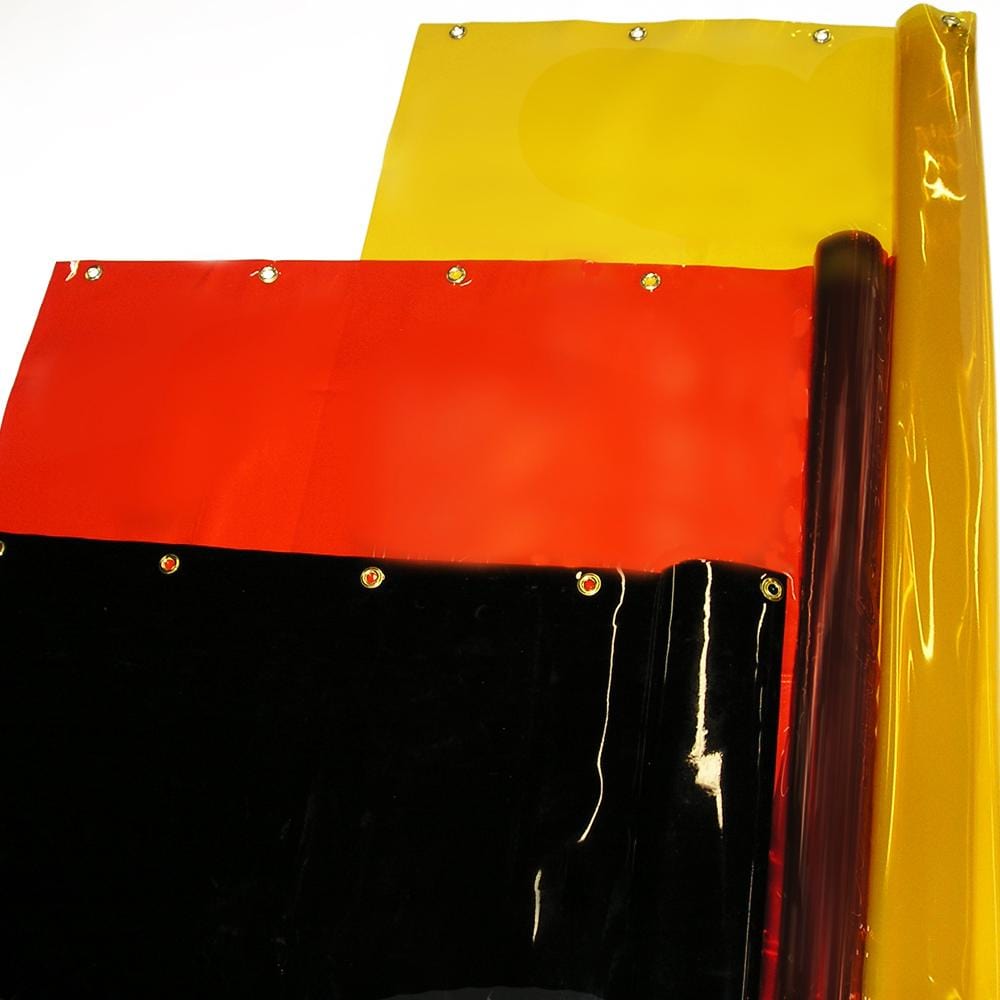





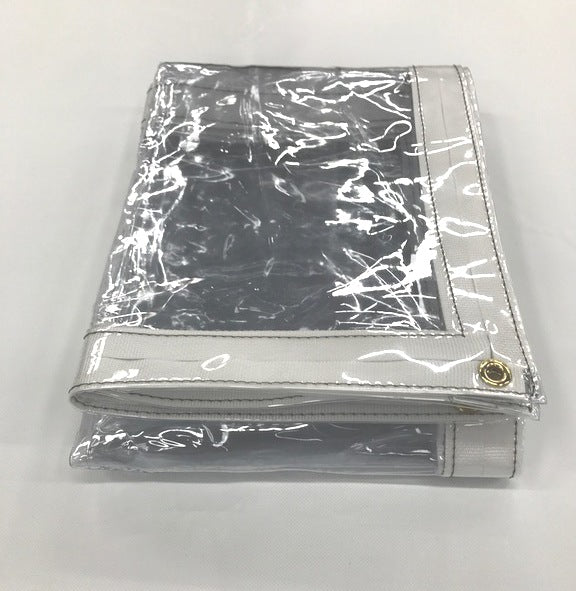


Curing Blankets vs. Heated Enclosures vs. Liquid Curing Membranes

Concrete is one of the primary assets in any construction project. However, the challenge is to protect the strength and durability of concrete when the temperatures drop. That’s when concrete curing plays its role in achieving strong concrete in cold weather. Whether you want to construct walls, structural elements, slabs, or footings, it's essential to choose the right curing method to achieve moisture, temperature control, and crack prevention.
Construction managers and contractors rely on three curing methods: concrete curing blankets, heated enclosures, and liquid curing membranes. Each method is unique. However, it’s important to choose the one that contributes to cost efficiency, high performance, and convenience. Otherwise, making the wrong choice might lead to weakened structures and cracked concrete that could keep your reputation at risk.
It’s a natural phenomenon to get confused while selecting the curing method that works best for your construction site. In this guide, we’ll discuss the pros and cons of all three curing methods so you can confidently choose between concrete curing blankets, heated enclosures, and liquid curing membranes.
Concrete curing: All it takes to maximize concrete’s strength
Concrete gains strength with proper hydration. But the strength, surface integrity, and durability can suffer if moisture is evaporated too quickly. That’s something common in harsh weather when poor curing ends up in surface cracking, curling, reduced strength, and even costly repairs.
The good news is that it’s possible to maximize the strength of concrete by selecting the curing method that helps maintain moisture levels consistently. Implementing the right curing method also helps protect it from freezing. This leads to a reduction in construction delays while ensuring compliance with construction standards.
A Comparative Analysis: Concrete Curing Blankets, Heated Enclosures, and Liquid Curing Membranes
All three curing methods differ in terms of various factors. To select the right one, let’s explore and compare the pros, cons, and practical applications of each method in detail.
Method 1: Concrete Curing Blankets
By having direct contact with the concrete’s surface, cement blankets or concrete curing blankets insulate it. During the curing process, the heat is produced naturally. When you place these blankets on fresh concrete, this heat gets trapped. That way, the moisture is locked while the evaporation is reduced. This level of moisture control and heat retention enables concrete’s temperature to stay above 10°C (50°F). It also aligns well with the humidity level required for achieving maximum concrete strength.
Pros
Cost-effectiveness: This is the biggest advantage of concrete blankets for sale. Designed with woven polyethylene, these cement blankets have high durability. They can be reused for years (for countless construction projects). Unlike heated systems, they require no ongoing costs.
High thermal efficiency: Due to their high R-value, cement blankets provide high insulation to concrete - thereby, retaining sufficient hydration heat. This offers additional protection to concrete in low temperatures.
Rapid deployment: There’s no need to spend extra time setting up concrete curing blankets. All it takes is unrolling the cement blankets, securing the edges, and monitoring the curing process. The simple operation enables workers to finish and protect the pour as quickly as possible.
Excellent versatility: Concrete blankets for sale are ideal for standard slabs, flatwork, and footings. You can also use them on some irregular or sloped surfaces. Due to their high flexibility, they can be used for various commercial and residential applications.
Safe to use: Concrete naturally heats up during the curing process. That’s why cement blankets work well by relying on this heat. This eliminates the need to depend on electricity, heaters, or fuel. It also reduces the risks of electrical hazards or carbon monoxide issues. It makes it a safer curing option.
Cons
Dependent on starting heat: During extremely cold weather or while curing thin concrete surfaces, these blankets might require a bit of added heat initially to begin the curing process.
Physical handling: High-quality concrete blankets for sale are durable for sure. But they require labor for moving, placing, and storing them properly.
Practical application of concrete curing blankets
They are ideal for concrete work such as residential foundations, warehouse floors, parking areas, sidewalks, driveways, loading areas, and retail pads.
Method 2: Heated Enclosures
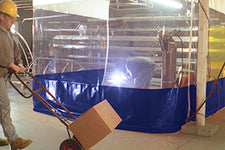
Using heated enclosures involves implementing an artificial and temporary curing solution (by using framing, electric heaters, or tarps) around concrete that has been freshly poured. This curing method helps maintain consistent heat in extremely cold weather.
Pros
Good environment control: Heated enclosures provide effective heat by dictating the exact temperature required for curing. This curing method works well for brutal weather conditions (especially in massive construction projects that have strict strength requirements).
Improves workflow: Besides protecting concrete, heated enclosures control freezing temperatures while providing a warmer workspace to workers where they can pour and finish concrete without experiencing numb hands or frostbite. Besides implementing winter care strategies at job sites, construction workers can complete their projects within specific timelines.
Suitable for complex structures: These work well for vertical construction (including bridge piers, complex formwork, and high walls).
Cons
High cost: Ongoing costs are extremely high. Equipment rental, 24/7 fuel consumption, and paid monitoring can add up – increasing the overall financial burden for construction projects with limited budgets.
Major safety hazards: Nonresidential fires have been rising, according to U.S. Fire Administration. Unfortunately, heated enclosures possess an equal risk of catching fire. The chances of poisoning from carbon dioxide also exist. Therefore, construction managers need to implement rigorous safety procedures and ventilation plans before choosing this curing method.
Can reduce moisture: Since the warm air can affect moisture levels, the concrete can dry quickly. Therefore, you must add extra moisture and monitor it further throughout the curing process.
Practical applications of heated enclosures
They can be a feasible option for large-scale industrial or civil projects when budget isn’t an issue and the curing process is done in an extremely harsh climate.
Method 3: Liquid Curing Membranes
Liquid curing membranes are wax-based or resin-based compounds that can be sprayed onto the concrete that has been freshly poured. Once applied, these compounds dry quickly while forming a thin layer over the surface of the concrete. This protective layer seals concrete. That way, the moisture doesn’t evaporate during the curing process.
Pros
Effective moisture retention: Liquid curing membranes easily lock in moisture. This process provides sufficient hydration needed for curing concrete.
Ideal for multiple surfaces: The use of spray makes it a practical curing method for complex shapes, vertical walls, and textured surfaces.
Labor-efficient: Workers can use the spray rigs to cure concrete surfaces of open areas without spending a lot of time.
Cons
Lack of insulation: Liquid curing membranes offer no insulation. Therefore, this curing method doesn’t maintain or raise concrete’s temperature at all. Here’s the biggest drawback: the entire concrete is damaged if it freezes under these membranes.
Possibility of bonding issues: The thin membrane layer (often called “film”) should stay on the concrete’s surface after the curing process. However, if you want to top the surface with the floor coating or any other material, you must remove the film before using any mechanical bond. This further requires labor-intensive grinding or sandblasting.
No reusability: The cost of liquid curing membranes is calculated on a per-gallon basis. It means that these membranes have one-time usability only. Besides, they cannot be used on wet or frozen surfaces. This limits their usage in extremely cold weather.
Practical applications of liquid curing membranes
It’s wise to use liquid curing membranes for curing complex shapes or interior slabs in warm weather only. This curing method also works well for construction projects where achieving temperature control isn’t a priority.
The Takeaway
All curing methods serve a purpose. However, when it’s about evaluating the performance, safety, durability, and convenience, concrete curing blankets can be a practical solution for numerous construction projects.
An effective cold-weather curing strategy is to use multiple layering options. The hybrid approach, for instance, is to spray a liquid membrane right after finishing. This initial step will seal in the moisture. Next, cover it with concrete curing blankets to achieve the much-needed insulation.
What matters the most is to look for durable and trusted concrete blankets for sale. Investing in cement blankets made of high-quality materials is the key. Besides protecting concrete quality, it will also help reduce additional costs. This will be a proactive step toward longer-lasting and stronger concrete results.